Meditative Living Tom Nissimoff

A quiet inquiry

Meditative Living

Reflections on meditation, self-inquiry, transformation,
healing and stillness.

I. Meditation

A break for the mind, a return to oneself.

Meditation is not an activity as such. Here nothing can be forced or pushed. It starts with the genuine interest to experience who we are, apart from being a person, a short lived body-mind with a name, driven by hopes and fears.

Meditation gives the brain a break, puts it to rest and lightens our heart. The mind’s restlessness subsides. We become still inside. No thought, no feeling disturbs the light.

“To learn to meditate means to live more and more often in the timeless moment.”

Tom Nissimoff

II. Themes

Eight quiet inquiries.

  1. i

    Love & Pains

    The way is called love. Love without promise or expectation, that does not bend to our wanting.

  2. ii

    Self-Inquiry

    Focusing on the I, until the I dissolves. An irrevocable peace appears, timeless stillness.

  3. iii

    Transformation

    An initiation, an invitation to grow curious about whom or what lies behind the curtain of skin and bones.

  4. iv

    Health & Healing

    In ultimate consequence everything is free. Each moment of life, pain or pleasure, asks to be met.

  5. v

    God, Love & Mind

    Three names for one undivided presence, perceived through silence rather than thought.

  6. vi

    At Peace

    Not the absence of trouble, but a steadiness underneath it. The mind at rest in its own clear nature.

  7. vii

    Stillness

    Older than the world itself. Still before the world was, still after it has perished.

  8. viii

    Death

    A door, looked at without flinching. What we truly are is not threatened by it.

III. A little exercise

Six gentle steps, in your own time.

  1. I

    Please close your eyes and gently leave it all behind, all your little and big hopes, your little anxieties and worries, all your thoughts and feelings. Take your time, don’t rush. Don’t persist or resist.

  2. II

    Consciousness, the innocent perception of what is, lies underneath any experience. Think your thoughts and feel your feelings until you drop them, one by one, until they subside, leaving it all behind. Take your time.

  3. III

    If you want, repeat a mantra you may choose for yourself. Just remember: say or sing it repeatedly, each time anew, so no monotony occurs. Each tone, each sound must be fresh, anew, now.

  4. IV

    Remember: no-thing is yours, no-thing is you. Let yourself go and fall, deeper and deeper. Remember, no experience is yours, no experience is you. Just drop it, be aware of being aware, still and present.

  5. V

    After a while, things may seem a dream to you. Then discard this, too. You yourself may become a dream. Discard it. You may become all and all may become you. Discard it. Just let go. Be still, highly aware, present. It is a leap. From mind to awareness, from awareness to truth, you, truly you.

  6. VI

    Be patient and try again from the beginning.

IV. Books

Written slowly, to be read slowly.

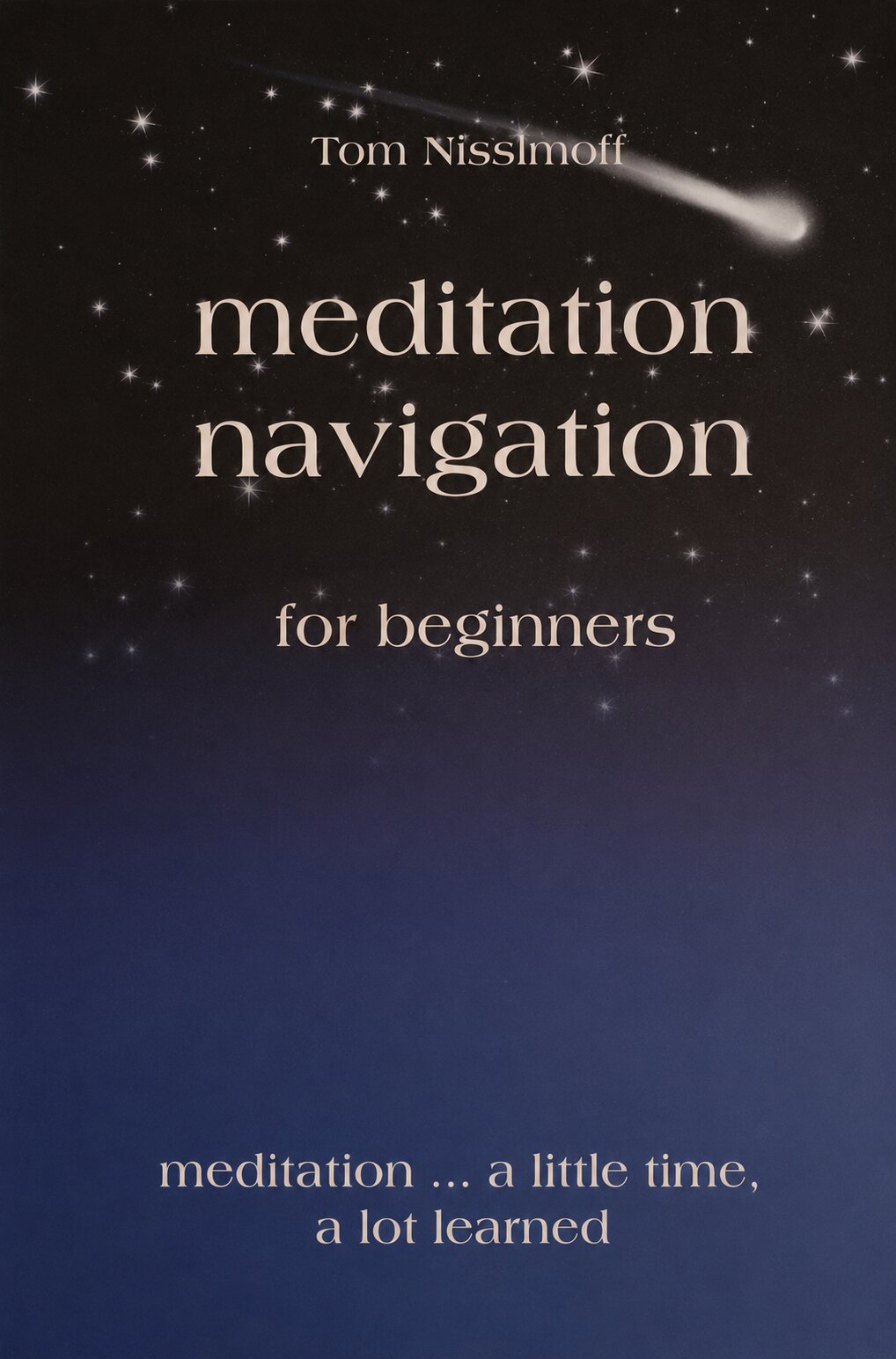
meditation navigation - book cover

English · for beginners

meditation navigation

Being relaxed and aware, alert and still is crucial for our awareness to do its work. Full perception from within means experiencing a subtle, irrevocable joy. The book clears up misunderstandings, gives practical advice, short exercises and the necessary orientation.

“Your book is a lucid introduction to meditation. Your straightforward coverage of the subject is most helpful to the understanding of a lay reader.”

Avinash C. Maheshwary · formerly Duke University Library, publisher of I Am That by Sri Nisargadatta Maharaj
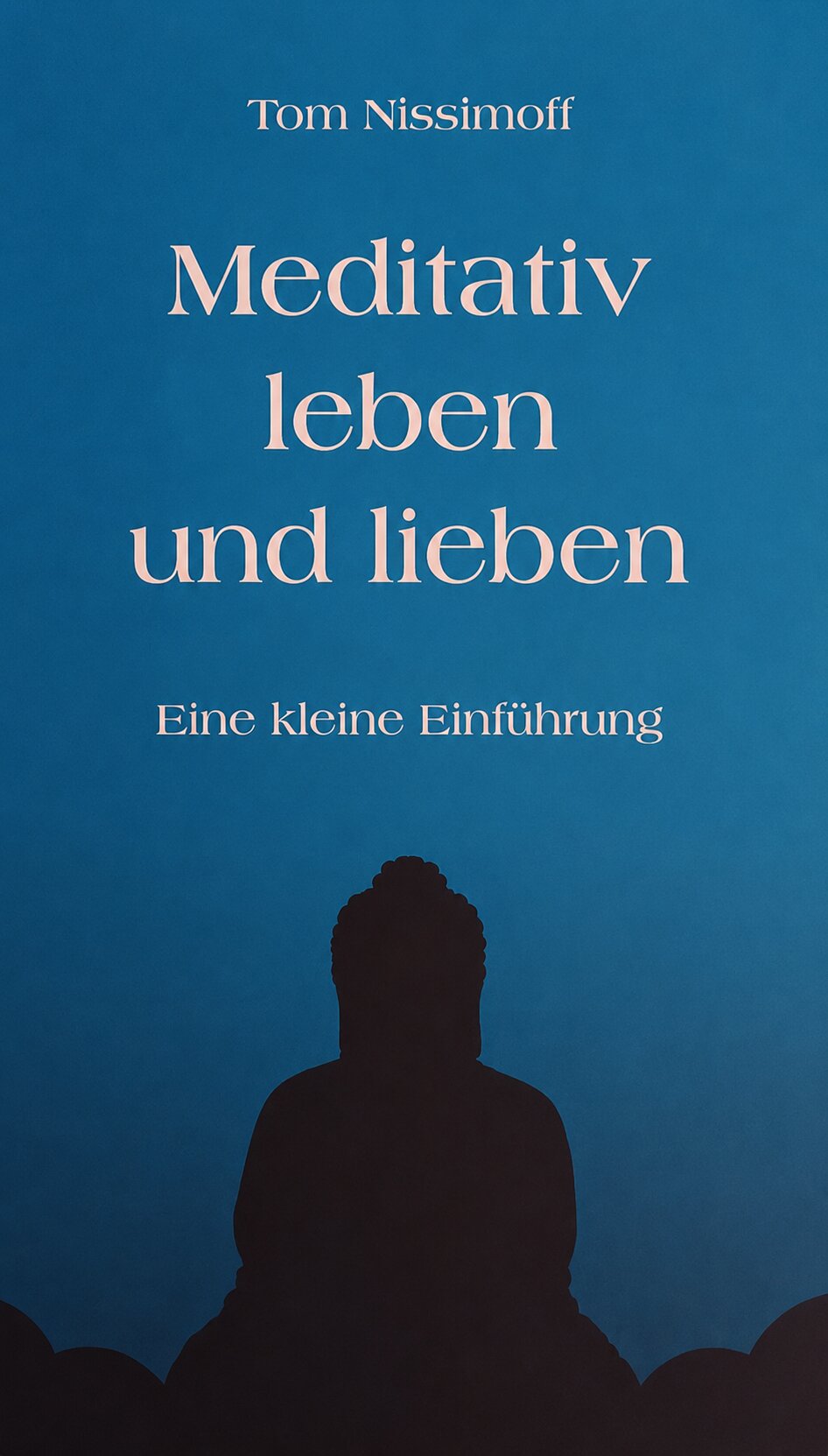
Meditativ leben und lieben - Buchcover

Deutsch · eine erste Einführung

Meditativ leben und lieben

Toms erstes kleines Buch auf Deutsch. Eine ruhige Einführung in das meditative Leben und Lieben, getragen von eigener Erfahrung und ohne Lehrgebäude.

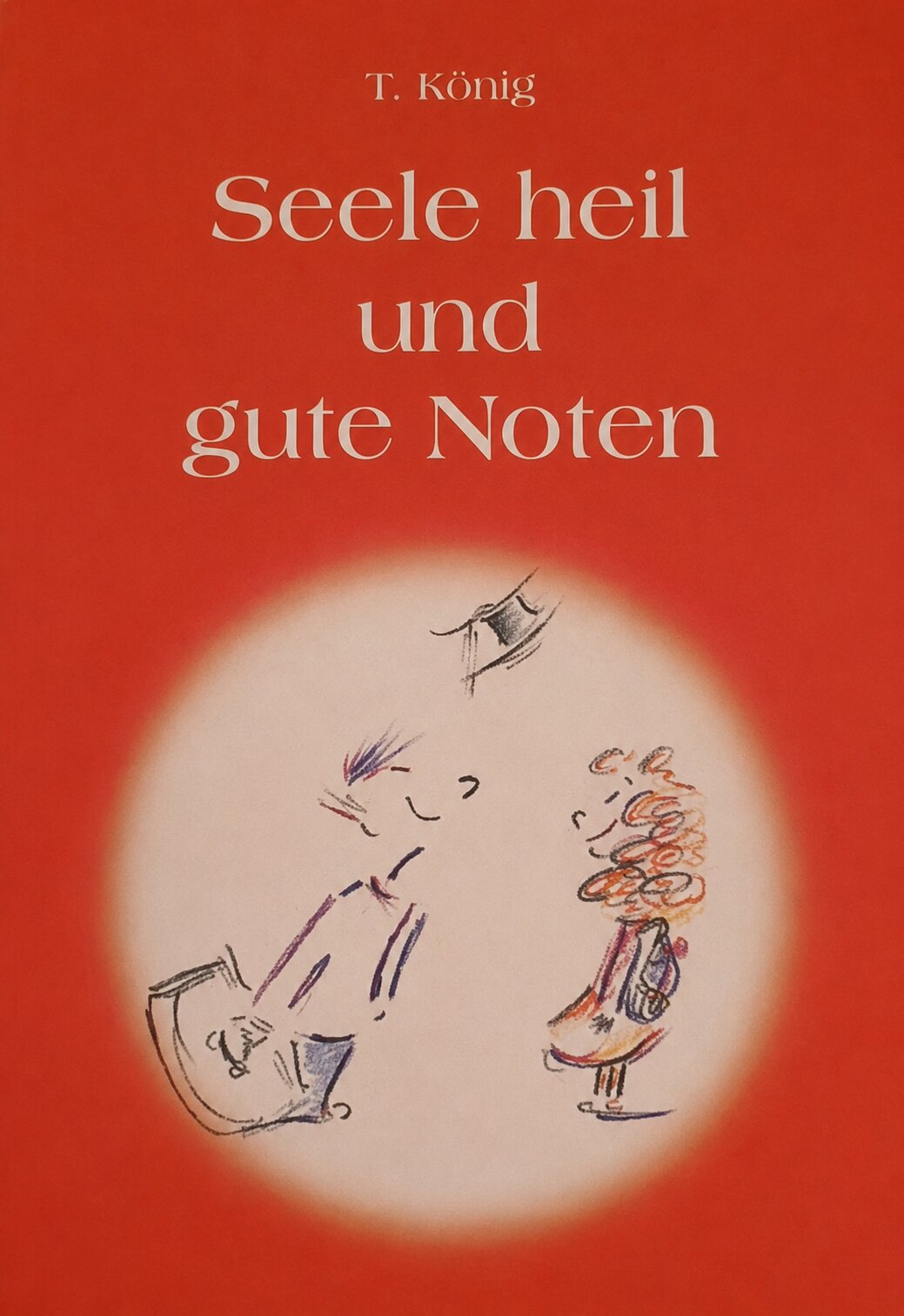
Seele heil und gute Noten - Buchcover

Deutsch · für Eltern und Schüler

Seele, heil und gute Noten

Für Eltern und ihre Schützlinge. Weniger Mangellängen, mehr Sofortlösungen und innere Ruhe als Grundlage des Lernens.

Bestellen unter gutenoten.bayern →

Tom Nissimoff
Munich · 2026 b. Nuremberg, 1955

V. The author

Tom Nissimoff

Born in 1955 in Nuremberg, Germany, Tom Nissimoff began meditating at an early age. He lived with his wife and children in California, New Mexico and New York, and later in France and Spain.

For many years, family and work left little time for writing. When his four children were grown, Tom wrote his first short book in German, Meditativ leben und lieben. meditation navigation followed as his first work in English.

A further book, Seele, heil und gute Noten, addresses parents and school children with a meditative perspective on learning and inner stillness. It is available through gutenoten.bayern.

Tom resides in Munich and is grandfather to three boys and two girls.

VI. Frequent questions

A few things people often ask.

Begin with the little exercise above. Close your eyes, leave it all behind, take your time. Don’t rush, don’t persist or resist. meditation navigation is written precisely for this first step.
Regularity matters more than duration. Ten quiet minutes in the morning, again before sleep, are enough at first. Let it grow on its own. Don’t time yourself anxiously.
Not necessarily. A book, a quiet space, and a willingness to listen are often enough. The path is in you. Tradition can be a companion, never a substitute for your own looking.
If you read English, start with meditation navigation. If German is your first language, Meditativ leben und lieben is the gentler door. For parents and school children there is Seele, heil und gute Noten.
A quiet correspondence by email is always welcome. Write directly to hello@tomnissimoff.de with your question. There is no fixed format.

VII. Contact

A quiet correspondence is welcome.

For questions, conversations, or to request a copy of one of the books, please write directly.

hello@tomnissimoff.de